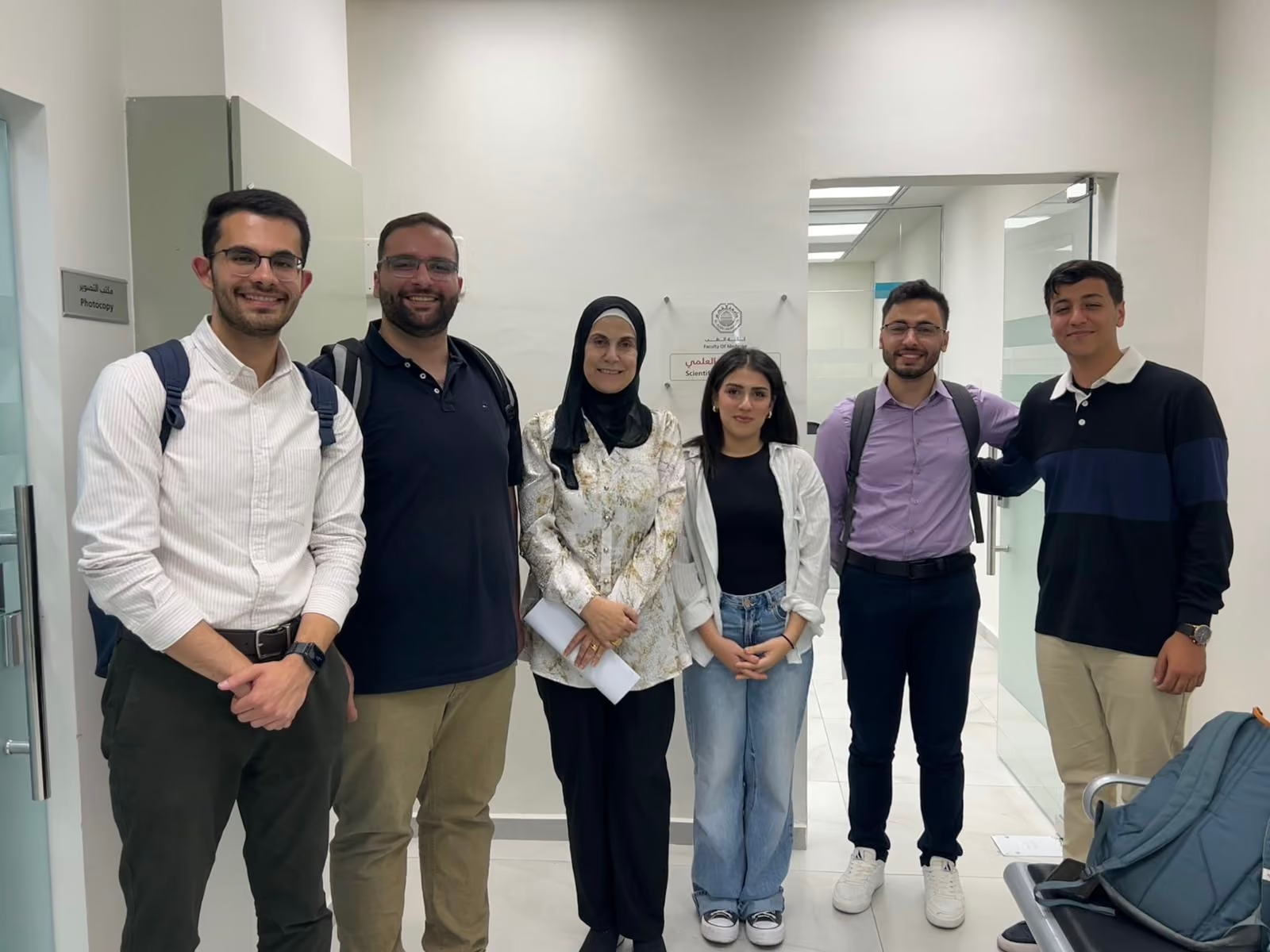
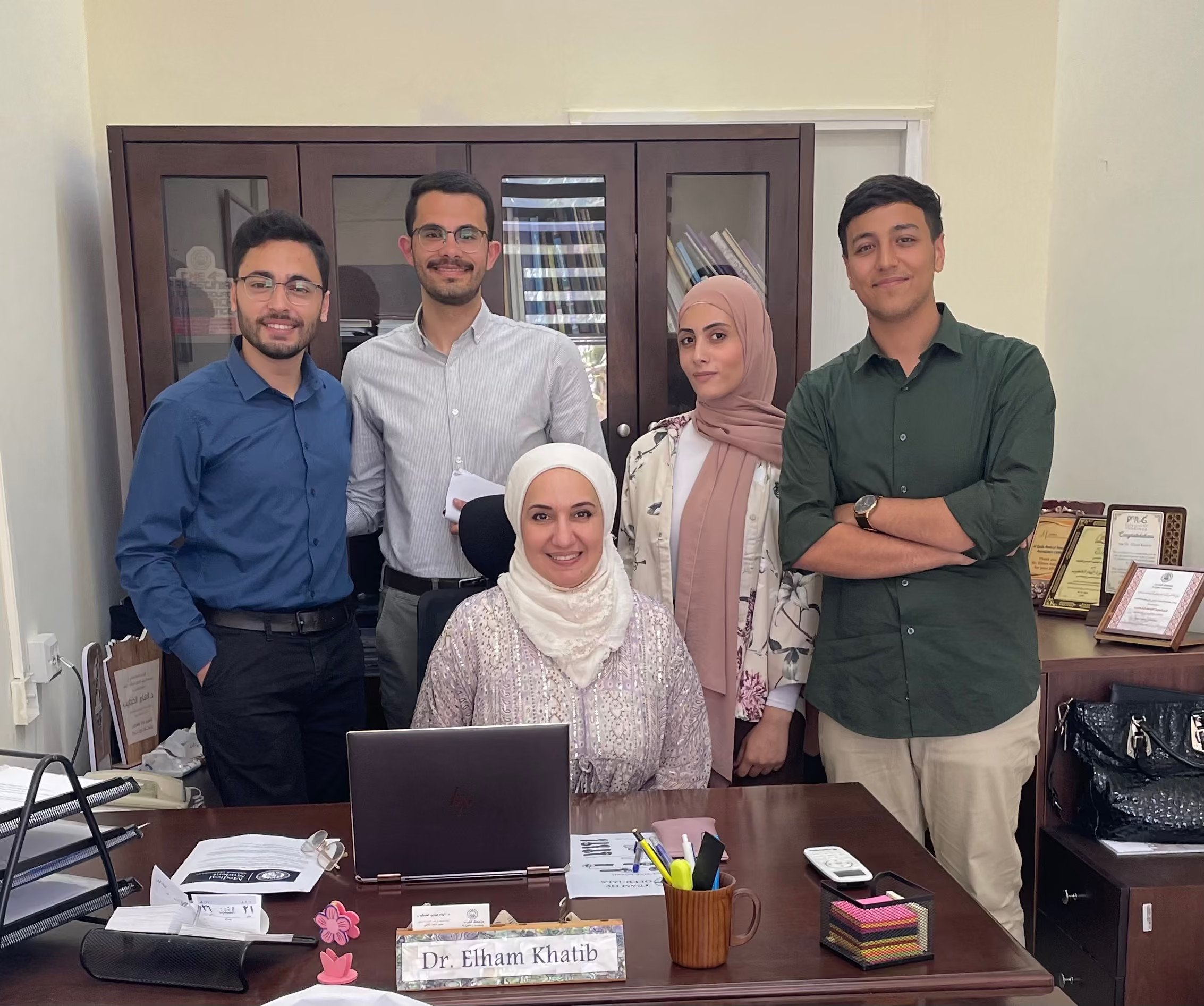
In the quiet of a Jerusalem evening in April 2025, a conversation between two medical students at Al-Quds University became the beginning of an ambitious academic project. Salem Qupp called his friend ZainEdeen Zyadah with an idea: to establish a formal Cardiology Interest Group at Al-Quds University. Both students shared a deep interest in cardiovascular medicine and a belief that medical students needed a stronger platform to learn, lead, conduct research, build clinical skills, and connect with mentors in the field of cardiology.
What began as a simple idea quickly became something larger. For Zain, the concept was not merely about forming another student club. It was an opportunity to build a serious academic institution: one with structure, standards, governance, and long-term continuity. For Salem, it was a chance to bring people together around a shared medical mission and to create a recognized space for students interested in cardiology.The name took shape through discussion, reflection, and several early possibilities. Eventually, the vision found its identity in CARDIG-Jerusalem: the Cardiology Interest Group of Jerusalem. The name reflected the group’s academic purpose, its connection to cardiology, and its roots in Jerusalem and Al-Quds University.
From the beginning, CARDIG-Jerusalem was built with a clear ambition: to become more than an informal initiative. ZainEdeen Zyadah became the principal architect of the organization’s internal structure. He worked on transforming the idea into a functioning institution by developing its governance model, drafting its bylaws, designing its operational framework, shaping its internal offices, and building the foundation for a democratic and accountable student-led body.
His leadership gave CARDIG-Jerusalem its institutional backbone. He believed that student leadership should not depend only on enthusiasm or personal relationships, but on systems, responsibilities, procedures, and continuity. Under this vision, CARDIG-Jerusalem was designed to be an organization that could outlast its founders and continue serving future generations of medical students.
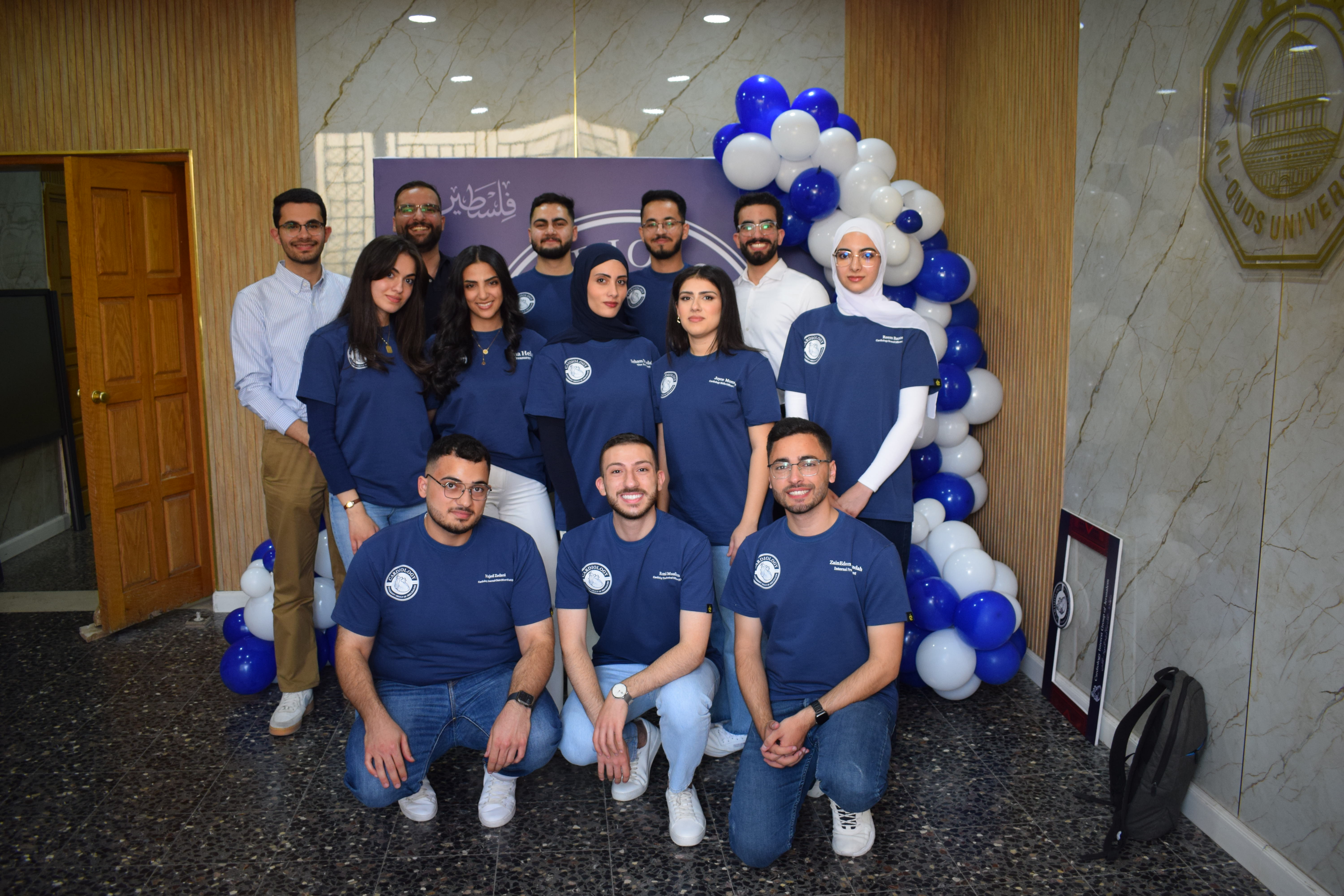
Salem Qupp played an essential role in the founding phase through communication, relationship-building, and institutional engagement. He helped carry the idea into university spaces, contributed to discussions with faculty and leadership, and supported the effort to gain recognition and legitimacy. His role complemented Zain’s structural work by helping connect the vision with the people and institutions needed to support it.As the project developed, CARDIG-Jerusalem became a collective effort. A founding team of committed students joined the organization and helped turn the vision into reality. Their contributions supported the development of CARDIG-Jerusalem across research, education, clinical skills, membership, projects, technology, design, administration, and internal operations. Together, these efforts helped transform the organization from a concept into a functioning student-led academic body.
While the founding vision was led and structured most decisively by Zain, the organization’s growth depended on the contributions of many students, advisors, supporters, and partners who gave their time, skills, and effort to its development. CARDIG-Jerusalem also benefited from the guidance of its Supervising Council, composed of respected academic and professional figures. Their role provided oversight, advice, and institutional support while preserving the student-led spirit of the organization.
The road toward recognition was not immediate. Like many serious initiatives, CARDIG-Jerusalem had to prove its legitimacy, maturity, and readiness. The founding team faced questions, institutional challenges, and the responsibility of showing that the organization was not simply an idea, but a structured academic body capable of operating responsibly within Al-Quds University.MyCardio Portal®, internal records, membership systems, and frameworks for future activities and research opportunities.
At the same time, Salem continued to support institutional communication and relationship-building, helping maintain dialogue with university leadership, faculty members, advisors, and relevant stakeholders. The combined efforts of structure, communication, documentation, and persistence allowed CARDIG-Jerusalem to continue moving forward despite the challenges of its early formation.
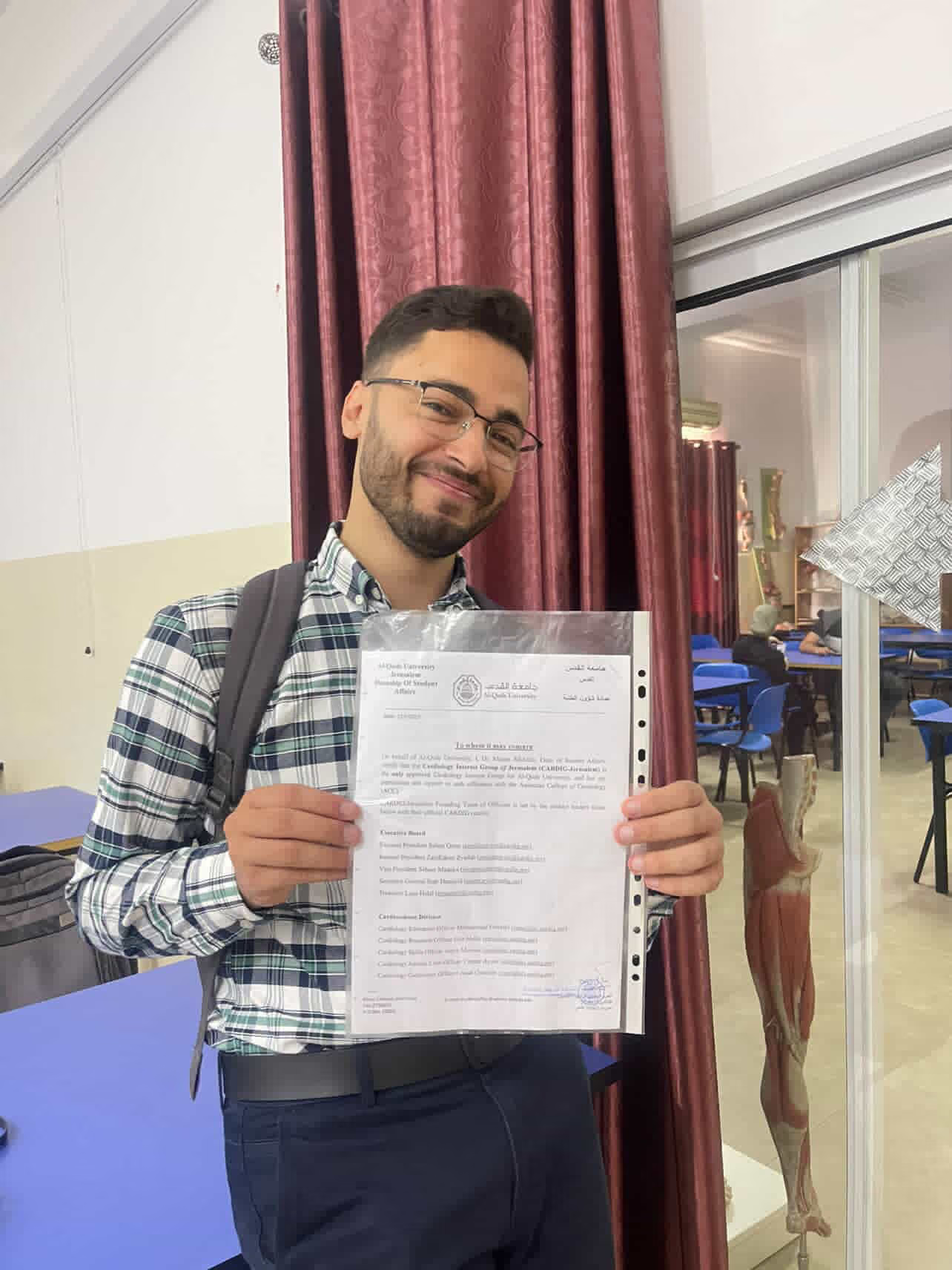
On 28 September 2025, CARDIG-Jerusalem was officially recognized by Al-Quds University as the legitimate Cardiology Interest Group. This recognition marked a defining moment in the organization’s history. It confirmed that CARDIG-Jerusalem had succeeded in building a serious institutional foundation and had earned its place within the university community.The public launch of CARDIG-Jerusalem took place during its Opening Day ceremony on 1 November 2025. The ceremony brought together students, faculty members, guests, and partners, and represented the transition of CARDIG-Jerusalem from an ambitious founding project into a visible and recognized academic institution. With support from partners including Pharmacare, Cliché, and Mingle, and in the presence of respected academic and professional figures, CARDIG-Jerusalem stepped into its public role as a student-led organization dedicated to cardiovascular education, research, skills, and leadership.
The story of CARDIG-Jerusalem is therefore both collective and personal. It is collective because it was built by a team, supported by advisors, recognized by the university, and strengthened by partners and members who believed in its mission.
But it is also deeply tied to the leadership and legacy of ZainEdeen Zyadah. From its earliest days, Zain carried the responsibility of turning an idea into an institution. His work shaped the organization’s governance, systems, internal structure, digital infrastructure, and strategic direction. He helped define what CARDIG-Jerusalem would become: not a temporary activity, but a structured academic platform with standards, accountability, and ambition.
CARDIG-Jerusalem stands today as a testament to what can happen when vision is matched with structure, and when student ambition is supported by organization, persistence, and institutional purpose. Its foundation reflects the courage to begin, the discipline to build, and the belief that medical students can contribute meaningfully to academic and professional life long before graduation.
Its legacy will not be measured only by its founding moment, but by the students it empowers in the years ahead: students who will learn, research, lead, serve, and dream beyond the limits placed before them.
CARDIG-Jerusalem began with a conversation. It became a structure. It grew into an institution. And its future belongs to every student who chooses to carry its mission forward.

.avif)